
Technology has always been a catalyst for human progress—driving societies forward, empowering discoveries, and redefining how we live, work, and communicate. From the invention of the wheel to the rise of artificial intelligence, each milestone has transformed civilization in profound ways. Today, we stand at the threshold of a new era—one driven by intelligent machines, immersive digital environments, and sustainable innovations that are reshaping every aspect of our lives.
This article explores the major technological trends guiding our future, the industries being transformed, and the opportunities and challenges that accompany rapid digital advancement.
Artificial Intelligence: The Brain of Modern Innovation
Artificial intelligence (AI) is no longer just a niche tool—it has become the cornerstone of modern development. AI systems today can process massive volumes of data, recognize patterns, generate human-like text, diagnose diseases, and even compose art or music.
In business, AI is boosting operational efficiency and enabling smarter decision-making. Automation tools handle repetitive tasks, while machine-learning models help companies predict market shifts, personalize customer experiences, and detect fraud.
In healthcare, AI algorithms read imaging scans with impressive accuracy, assist in drug discovery, and support early disease prevention. Meanwhile, AI-powered accessibility tools enhance communication for people with disabilities through speech-to-text, real-time translation, and intelligent interfaces.
However, concerns about job displacement, algorithmic bias, and privacy highlight the need for responsible and ethical AI. As we continue integrating automated systems into society, guidelines for transparency, data protection, and fairness are more important than ever.
5G and Beyond: A Connected World
Connectivity is the backbone of technological transformation. The rollout of 5G has dramatically increased mobile speed, reduced latency, and expanded the capacity for interconnected devices. This is unlocking new possibilities in fields such as:
-
Smart cities with real-time traffic control and energy optimization
-
Autonomous vehicles that communicate with one another and infrastructure
-
Precision agriculture using connected sensors and drones
-
Advanced telemedicine enabling remote surgeries and detailed monitoring
Looking ahead, research toward 6G promises even faster speeds and advanced integration between the physical and digital world. The future of hyper-connectivity will fuel innovations we can only begin to imagine.
The Rise of Immersive Technology: AR, VR, and the Metaverse
Augmented reality (AR) and virtual reality (VR) have moved beyond gaming and into mainstream industries. Companies now use AR for remote assistance, employee training, product visualization, and education. VR creates fully immersive simulations for learning high-risk procedures or exploring environments otherwise inaccessible.
These technologies converge under the concept of the metaverse—a shared, persistent digital environment where users can work, socialize, and play through avatars. While still developing, many organizations are already exploring virtual commerce, digital property ownership, and 3D collaboration tools.
This digital future raises new questions about mental well-being, identity, security, and economic inclusion—areas that require thoughtful governance as adoption expands.
Robotics and Automation: Redesigning the Workforce
Robotics is transforming labor-intensive industries such as manufacturing, logistics, and construction. Intelligent robots can perform precise tasks continuously and safely, reducing risk in hazardous environments. Drones are revolutionizing delivery networks, construction inspection, and disaster response.
But automation also impacts the workforce. While some jobs may decline, new roles are emerging that focus on robot maintenance, data analysis, and digital system management. Education and reskilling programs will be essential to empower workers for a more automated economy.
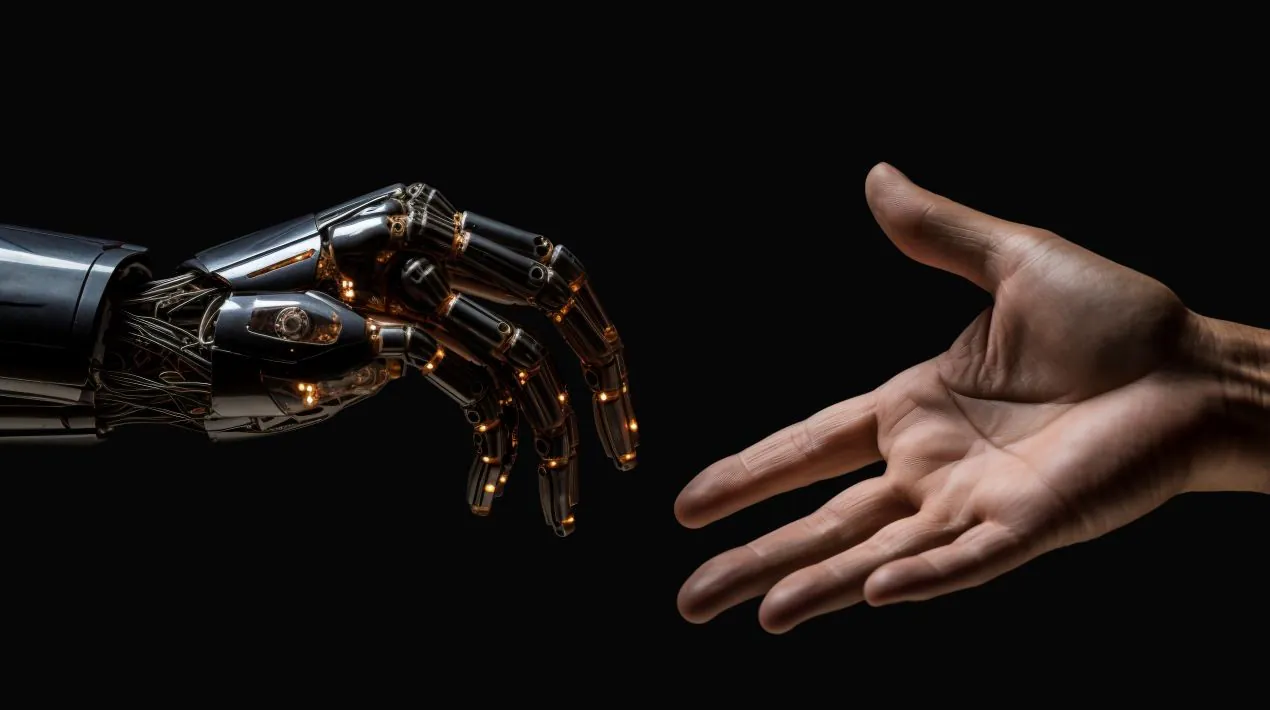
The future is not humans versus machines—it is humans enabled by machines.
Sustainable Technology: Innovation for a Greener Planet
As climate change becomes one of the greatest challenges of our time, technology offers vital solutions. Renewable energy systems—solar, wind, geothermal—are expanding rapidly thanks to improved efficiency and lower production costs. Smart grids ensure energy is distributed intelligently, reducing waste.
Electric vehicles are becoming mainstream, supported by advancements in battery storage and charging infrastructure. Meanwhile, carbon-capture technologies and sustainable materials aim to reduce the environmental footprint of industrial production.
Green innovation is not only environmentally necessary—it is driving new global markets and careers. The future depends on eco-friendly design becoming standard practice across all sectors.
Cybersecurity in a Hyper-Digital World
With technology embedded in nearly everything we do, cybersecurity has become essential. As data breaches, ransomware attacks, and identity theft rise, cybersecurity professionals are in high demand.
Critical infrastructure such as hospitals, power plants, and transportation systems now rely heavily on secure networks. Businesses must protect intellectual property and consumer privacy. Individuals must safeguard their digital footprints across multiple devices and online services.
Striking a balance between convenience and protection remains one of the biggest challenges of the digital age.
The Human Side of Tech: Ethics and Inclusion
Technology serves humanity—but only if developed responsibly. Ethical discussions are increasingly central to innovation:
-
Who controls the data we generate?
-
How do we prevent technology from amplifying inequality?
-
Can automation enhance society rather than divide it?
-
How do we ensure accessibility for all abilities and demographics?
Building an inclusive digital future requires diverse perspectives in engineering, policymaking, and education.
Conclusion: The Future Is Now
The world is changing at remarkable speed. Technology is no longer just a tool—it is an ecosystem shaping the way we interact with the world and each other. From AI breakthroughs to sustainability initiatives, from digital healthcare to the metaverse, innovation continues to define the future of humanity.
Yet with powerful tools comes powerful responsibility. A future where technology benefits everyone depends on thoughtful development, ethical guardrails, and global collaboration. If we embrace these principles, the next generation of advancements will lead us to a smarter, safer, and more connected world.
The future is unfolding before our eyes—and we are all participants in the transformation.